In the world of packaging and cargo securing, businesses constantly seek reliable, strong, and cost-effective solutions to ensure the safety of their goods during storage and transportation. Traditional strapping materials like steel and polypropylene have long been used for these purposes, but they come with significant drawbacks such as rigidity, safety risks, and environmental concerns. In contrast, corded strap has emerged as the ultimate solution for secure and reliable packaging. With its superior strength, flexibility, durability, and ease of use, corded strap is now the preferred choice for industries that require high-performance strapping solutions.
This article explores the unique advantages of corded strap, its various applications, and best practices for using it to achieve maximum efficiency and safety.
What is Corded Strap?
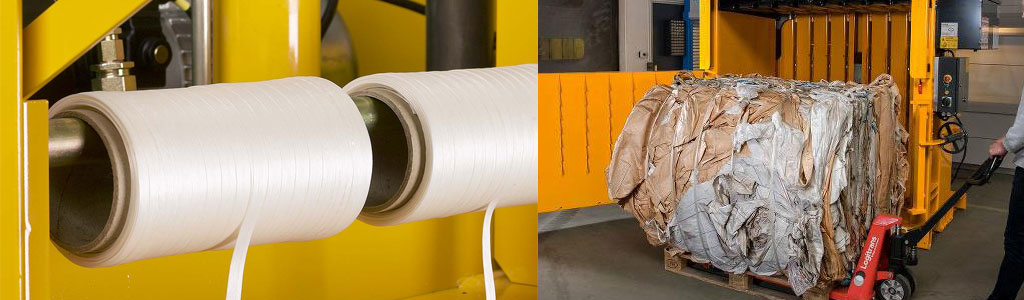
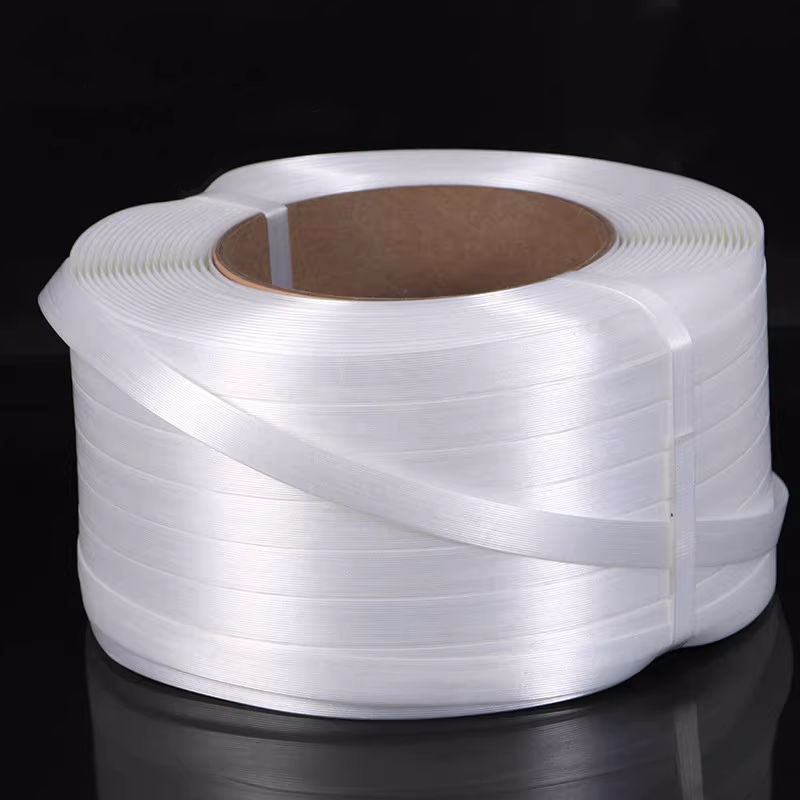
Corded strap, also known as composite cord strap or woven polyester strap, is a high-strength strapping material made from polyester fibers. It combines the best features of traditional steel and plastic strapping, offering exceptional durability while remaining lightweight and flexible. Unlike steel strapping, corded strap does not rust or snap suddenly, and it eliminates the risk of sharp edges that can cause injuries. Compared to polypropylene strapping, it provides significantly higher tensile strength and maintains its hold over time, reducing the chances of load shifting during transit.

Key Advantages of Corded Strap
1. High Tensile Strength for Heavy Loads
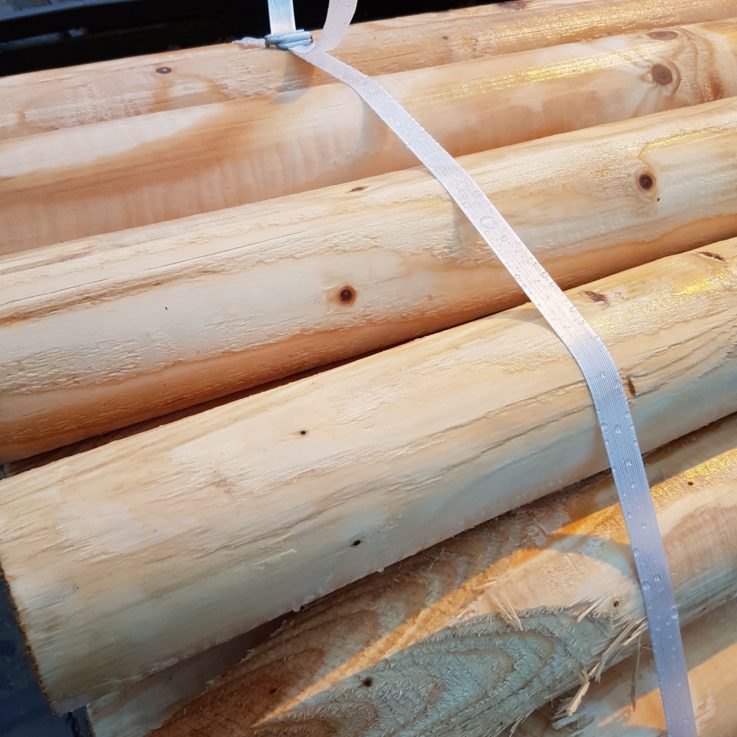
One of the most significant benefits of corded strap is its remarkable tensile strength. This makes it ideal for securing heavy loads such as machinery, timber, metal products, and construction materials. Unlike polypropylene straps, which tend to stretch and lose tension, corded strap maintains its integrity under high stress, ensuring the load remains secure.
2. Shock Absorption and Flexibility
Corded strap is designed to absorb shocks and vibrations that occur during transportation. This is particularly useful when securing loads for long-distance shipping, where sudden movements, road conditions, or turbulence can cause load shifts. The strap’s flexibility allows it to conform to the shape of the cargo, providing a tight grip without damaging delicate surfaces.
3. Weather and Chemical Resistance
Corded strap is resistant to extreme weather conditions, making it suitable for both indoor and outdoor applications. Unlike steel strapping, which rusts when exposed to moisture, corded strap remains unaffected by rain, humidity, and UV exposure. It is also resistant to most industrial chemicals, oils, and solvents, ensuring long-lasting performance even in harsh environments.
4. Enhanced Safety for Workers
Safety is a crucial consideration in industrial packaging, and corded strap offers a safer alternative to steel strapping. It does not have sharp edges, reducing the risk of cuts and injuries during handling. Additionally, it can be cut using standard safety cutters without the dangerous recoil effect seen with steel straps.
5. Ease of Handling and Application
Corded strap is lightweight and easy to handle, making it a preferred choice for workers. Unlike steel strapping, which requires specialized tools for application, corded strap can be manually tensioned using simple hand tools. This reduces labor time and increases operational efficiency, especially in high-volume packaging environments.
6. Cost-Effectiveness
Businesses are always looking for ways to reduce costs while maintaining efficiency. Corded strap provides a cost-effective alternative to steel strapping, offering comparable strength at a lower price. It also requires fewer additional tools and can sometimes be reused, further reducing material expenses. Additionally, its lightweight nature lowers shipping costs compared to steel strapping.
7. Eco-Friendly and Sustainable
As industries shift towards more sustainable packaging solutions, corded strap stands out as an environmentally friendly option. Made from polyester fibers, it is fully recyclable and produces less waste compared to steel or plastic strapping. Unlike steel strapping, which requires energy-intensive manufacturing and disposal processes, corded strap contributes to a more sustainable supply chain.
Applications of Corded Strap
Due to its versatility, corded strap is widely used across various industries, including:
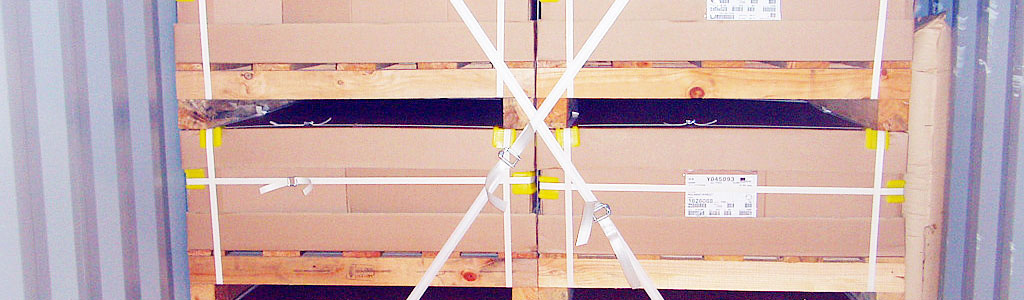
- Logistics and Shipping: Securing cargo for transportation via trucks, ships, and rail.
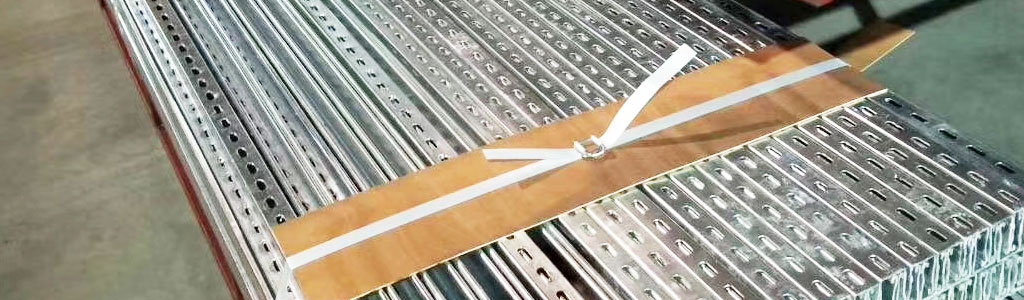
- Construction: Bundling heavy materials such as timber, steel rods, and concrete blocks.
- Manufacturing: Palletizing goods and securing industrial equipment.
- Agriculture: Binding hay bales and farm products for storage and transport.
- Automotive and Machinery: Holding vehicle parts and heavy machinery in place.
How to Use Corded Strap for Maximum Efficiency
To achieve the best results when using corded strap, follow these best practices:
1. Choose the Right Strap Width and Strength
- Select the appropriate strap width and strength based on the weight and size of your cargo. Heavier loads require stronger and wider straps.
2. Use the Right Tensioning Tool
- Manual and pneumatic tensioners can be used to apply the correct tension to the strap, ensuring a secure hold without over-tightening.
3. Secure with Buckles or Seals
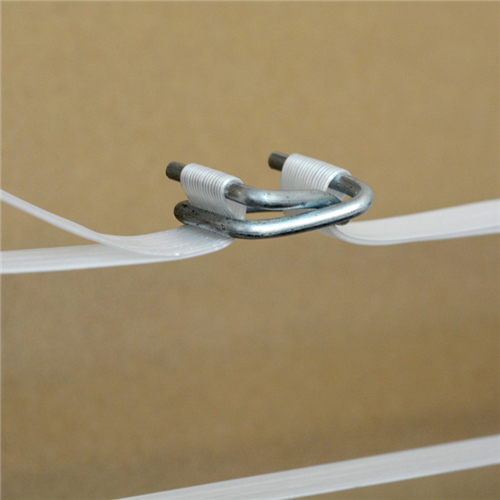
- Corded strap is typically used with high-strength wire buckles or heavy-duty seals. Ensure the buckle is properly fastened to prevent slippage.
4. Inspect and Maintain
- Regularly check the condition of your strapping tools and materials. Replace any worn or damaged straps to maintain load security.
5. Store Properly
- Keep corded straps in a dry, cool place to prevent unnecessary wear and tear. Avoid exposure to direct sunlight for extended periods.
Conclusion
Corded strap is the ultimate solution for secure and reliable packaging. With its high tensile strength, flexibility, weather resistance, and cost-effectiveness, it outperforms many traditional strapping materials like steel and polypropylene. Additionally, its safety advantages and eco-friendly properties make it an excellent investment for industries prioritizing worker protection and sustainability.
For businesses looking to enhance their packaging operations, improve load security, and reduce costs, corded strap is the perfect choice. Consider integrating it into your business today to experience the benefits of a stronger, safer, and more efficient strapping solution.