In the realm of waste management, the efficient recycling of materials is paramount to achieving sustainability and reducing environmental impact. Among the various tools and technologies employed in this endeavor, hotmelt textile straps have emerged as a game-changer, particularly in the processes of waste compression and bundling. This article delves into the significance of hotmelt textile straps, exploring how they optimize waste recycling efforts by enhancing the effectiveness of these crucial steps.
Understanding Hotmelt Textile Straps
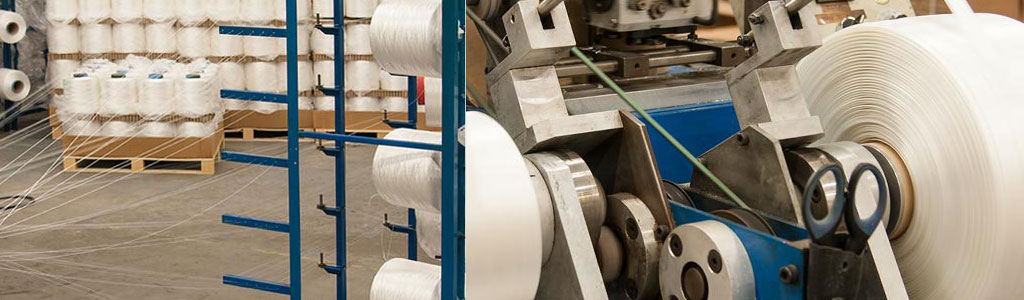
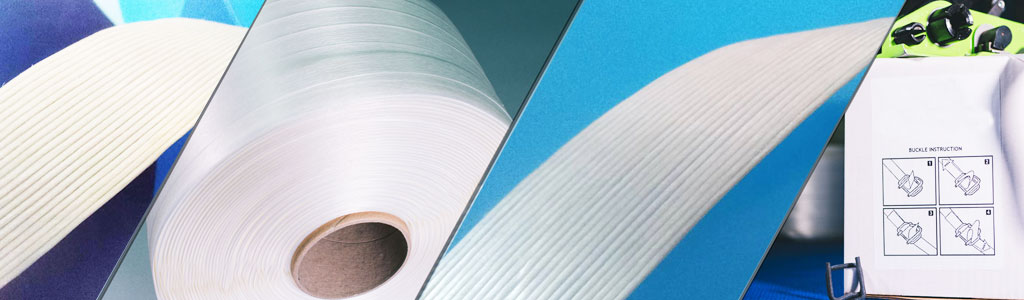
Hotmelt textile straps are a type of adhesive strap designed for high-performance applications. Unlike traditional straps that rely on mechanical fasteners or glues, hotmelt straps utilize a hot-melt adhesive that solidifies upon cooling, creating a strong and durable bond. Made from a blend of polyester and nylon fibers, these straps offer exceptional tensile strength and flexibility, making them ideal for securing and compressing a wide range of materials.
The key advantage of hotmelt textile straps lies in their ability to adapt to various shapes and sizes of waste materials. Whether it's cardboard, plastic, metal scraps, or organic waste, these straps can be tailored to fit tightly around the waste, ensuring minimal movement and maximum compression. This adaptability makes them indispensable in waste recycling operations, where the efficient handling and transportation of materials are vital.
The Importance of Compression and Bundling in Waste Recycling
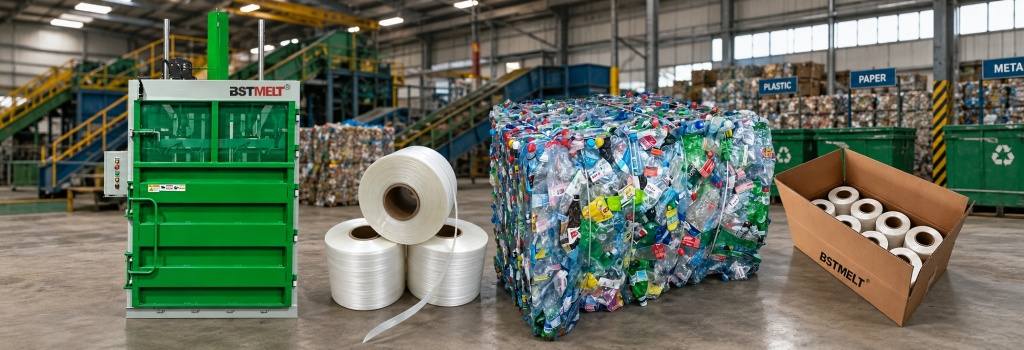
Compression and bundling are fundamental steps in the waste recycling process. Compression involves reducing the volume of waste materials to save space and facilitate easier handling and transportation. Bundling, on the other hand, involves securing compressed waste into manageable units, which can be easily stored, transported, and processed.
Effective compression and bundling are crucial for several reasons. Firstly, they reduce the cost associated with waste transportation by maximizing the amount of waste that can be carried in a single trip. Secondly, they minimize the risk of waste spillage and contamination, ensuring that recycled materials maintain their quality and value. Lastly, they streamline the recycling process, making it more efficient and cost-effective.
The Role of Hotmelt Textile Straps in Compression and Bundling
Hotmelt textile straps play a pivotal role in optimizing the compression and bundling of waste materials for recycling. Here's how they contribute to this process:
Enhanced Strength and Durability:
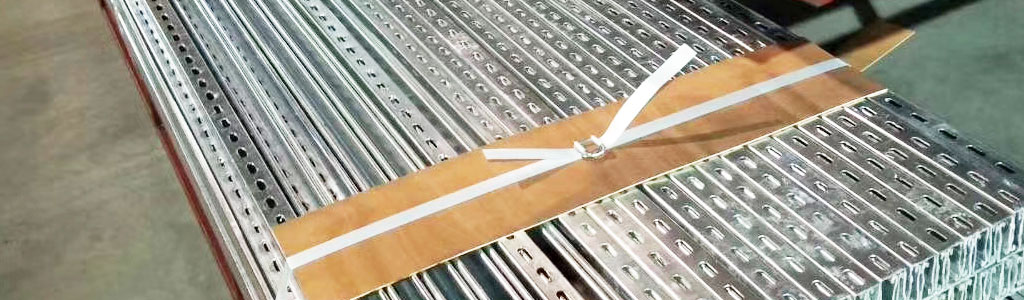
Hotmelt textile straps are renowned for their exceptional strength and durability. They can withstand high tensile forces, making them ideal for securing heavy and bulky waste materials. This ensures that compressed waste remains securely bundled during transportation and processing, reducing the risk of spillage and damage.
Flexibility and Adaptability:
The flexibility of hotmelt textile straps allows them to conform to the shape and size of waste materials, providing a secure and tight fit. This adaptability ensures that waste is compressed effectively, maximizing space utilization and minimizing transportation costs.
Ease of Application:
Applying hotmelt textile straps is a straightforward process that requires minimal training and equipment. The straps can be easily cut to the desired length, heated to activate the adhesive, and then wrapped around the waste materials. This simplicity speeds up the compression and bundling process, enhancing overall productivity.
Environmental Benefits:
Hotmelt textile straps are made from recyclable materials, making them an eco-friendly alternative to traditional straps. Additionally, their durability and reusability reduce the frequency of strap replacements, further minimizing waste generation. This aligns with the goals of sustainable waste management and recycling.
Cost-Effectiveness:
The cost-effectiveness of hotmelt textile straps is another significant advantage. While their initial investment may be higher than traditional straps, their longevity and reduced need for replacements make them a more economically viable option in the long run.
Case Studies and Real-World Applications
Several waste recycling facilities have already adopted hotmelt textile straps, reporting significant improvements in their operations. For instance, one recycling plant reported a 30% reduction in transportation costs after switching to hotmelt straps. Another facility noted a significant decrease in spillage and contamination rates, leading to higher-quality recycled materials.
These real-world applications demonstrate the tangible benefits of hotmelt textile straps in waste recycling. By optimizing compression and bundling processes, these straps contribute to more efficient, cost-effective, and environmentally friendly waste management practices.
Conclusion
In conclusion, hotmelt textile straps are a valuable addition to the waste recycling toolkit. Their strength, flexibility, ease of application, environmental benefits, and cost-effectiveness make them ideal for optimizing the compression and bundling of waste materials. As the world continues to prioritize sustainability and waste reduction, the role of hotmelt textile straps in waste recycling will undoubtedly become even more crucial. By embracing this innovative technology, waste recycling facilities can enhance their operations, contributing to a cleaner, more sustainable future.