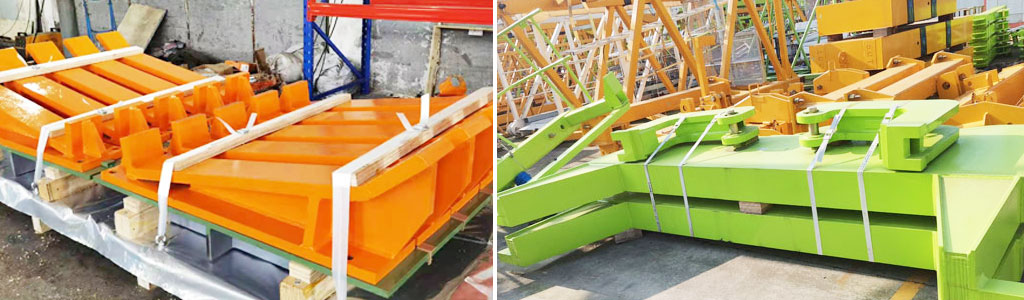
In today’s fast-paced global economy, logistics and transport industries play a crucial role in ensuring the smooth movement of goods. With the increasing demand for secure and efficient packaging solutions, Composite Cord Strap has emerged as a preferred choice for load securing. This high-strength, flexible, and durable strapping material is rapidly gaining traction across various sectors due to its superior performance compared to traditional steel and plastic straps.
This article explores the reasons behind the growing demand for Composite Cord Strap, its advantages, and its applications in logistics and transport.
What is Composite Cord Strap?
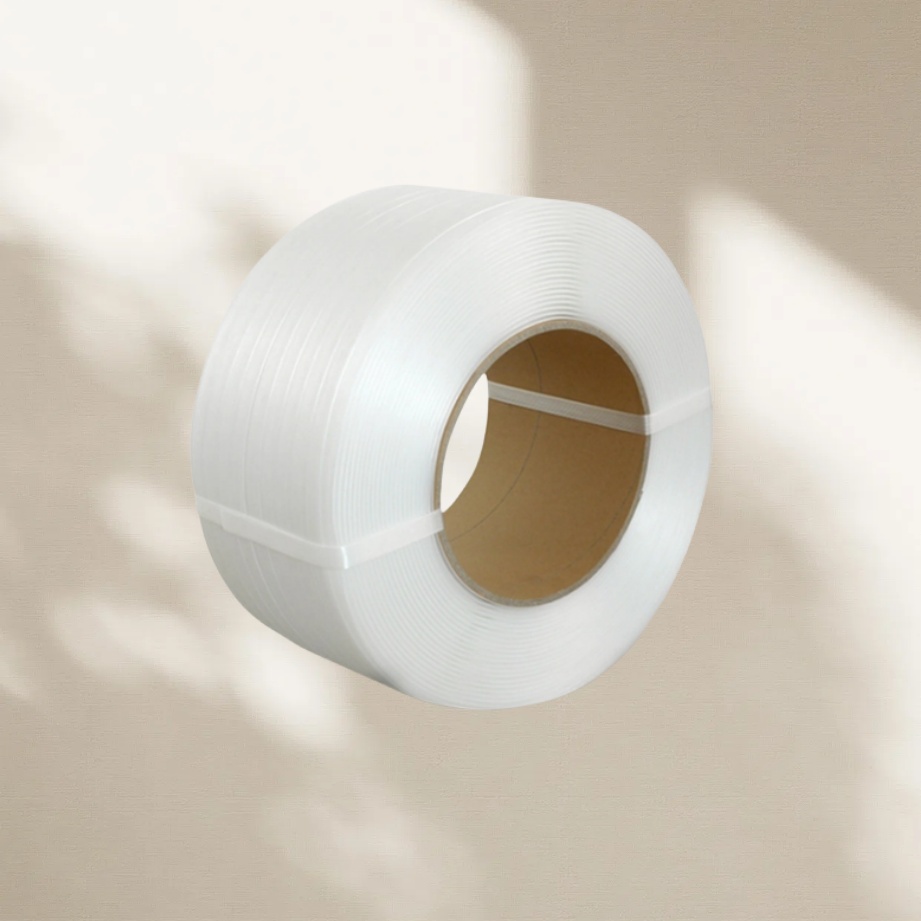
Composite Cord Strap is a high-tensile strength strapping material made from polyester fibers coated with a polymer layer. It is designed to provide the strength of steel straps while maintaining flexibility and ease of handling. Unlike steel straps, it does not rust or damage packaged goods, making it an excellent alternative for various load securing needs.

Factors Driving the Demand for Composite Cord Strap
1. Increased Global Trade and E-Commerce Growth
The rapid expansion of e-commerce and international trade has led to a surge in the transportation of goods across borders. Companies require reliable and secure strapping solutions to prevent cargo damage during transit. Composite Cord Strap provides superior holding power, making it a preferred choice for securing shipments in containers, trucks, and railcars.
2. Enhanced Safety and Ease of Use
One of the biggest concerns in logistics is workplace safety. Steel straps pose risks of cuts and injuries, while plastic straps may lack the necessary strength for heavy loads. Composite Cord Strap eliminates these risks as it is soft, lightweight, and easy to handle. Workers can safely apply and remove the straps without specialized tools, reducing the likelihood of workplace accidents.
3. Cost-Effectiveness and Efficiency
Businesses are always looking for cost-effective solutions without compromising quality. Composite Cord Strap offers a more economical alternative to steel strapping as it is lightweight, reduces shipping costs, and does not require expensive tools for application. Additionally, it minimizes cargo damage, reducing financial losses due to product wastage.
4. Durability and Weather Resistance
Unlike steel straps, which can corrode over time, Composite Cord Strap is resistant to moisture, UV rays, and harsh weather conditions. This makes it ideal for securing cargo in outdoor environments, such as shipping containers and open trucks, where exposure to elements is inevitable.
5. Eco-Friendly and Sustainable Packaging
As industries move towards more sustainable packaging solutions, Composite Cord Strap has gained popularity due to its recyclability and reduced environmental impact. Unlike steel straps, which require extensive energy to produce and recycle, composite straps are lightweight and more environmentally friendly. This aligns with global sustainability efforts in logistics and supply chain management.


Key Applications in Logistics and Transport
1. Container Shipping
Composite Cord Strap is widely used in securing goods inside shipping containers. It prevents movement and shifting during ocean transport, ensuring that cargo arrives at its destination intact.
2. Road and Rail Transport
Whether transporting goods via trucks or trains, Composite Cord Strap helps stabilize and secure loads, reducing the risk of accidents caused by shifting cargo.
3. Palletized Shipments
For warehouse and distribution centers, Composite Cord Strap is an effective solution for bundling and securing palletized shipments, improving handling efficiency and safety.
4. Heavy-Duty Industrial Applications
Industries such as steel, timber, and construction rely on Composite Cord Strap to secure large and heavy materials. Its high tensile strength ensures that even bulky and irregularly shaped items remain securely fastened.
Conclusion
The increasing demand for Composite Cord Strap in logistics and transport is driven by its superior strength, flexibility, safety, and cost-effectiveness. As global trade and e-commerce continue to expand, businesses are shifting towards more reliable and efficient packaging solutions. Composite Cord Strap is proving to be the ideal choice for securing loads across various industries, ensuring safe and damage-free deliveries.
With its numerous advantages, this innovative strapping material is set to play a key role in the future of logistics and transport, offering a sustainable and practical alternative to traditional strapping methods.