Corded straps are versatile and durable accessories that are used in a wide range of applications, from securing luggage to supporting heavy equipment. Choosing the right corded strap for your specific needs can be a daunting task, especially if you're not familiar with the different types, materials, and features available. In this comprehensive guide, we'll provide you with valuable tips and tricks to help you make an informed decision when selecting corded straps.
1. Identify Your Needs
Before you start looking for corded straps, it's essential to identify your specific needs. Consider the following factors:
-What will the strap be used for? Will it be used for heavy-duty applications or light-duty tasks?
-What is the weight capacity you require?
-What is the length of the strap you need?
-Will the strap be exposed to harsh weather conditions or chemicals?
-Do you require any specific features, such as a quick-release buckle or a reflective surface?
Answering these questions will help you narrow down your options and focus on the most suitable corded straps for your needs.
2. Understand the Different Types of Straps
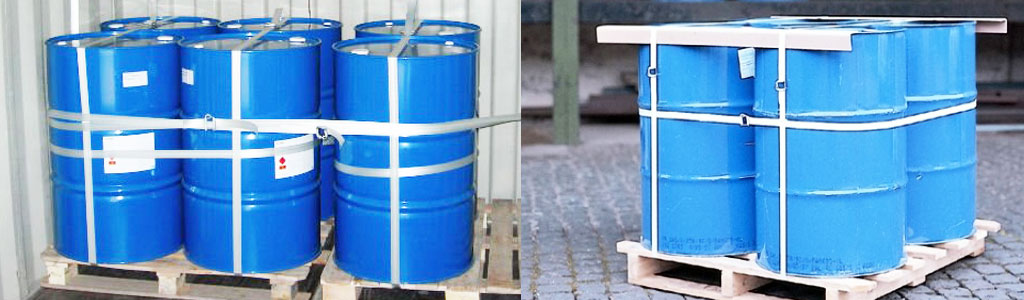
Straps come in various types, each designed for specific applications. Here are some of the most common types:
-Polypropylene (PP) straps: Lightweight and economical, PP straps are ideal for light-duty applications such as securing luggage or bundling items together.
-Nylon straps: Stronger and more durable than PP straps, nylon straps are suitable for heavy-duty applications, including securing cargo on trailers or supporting heavy equipment.
-Polyester straps: Similar to nylon straps, polyester straps are known for their high tensile strength and resistance to UV rays and moisture.
-Elastic straps: These straps are designed to stretch and provide a secure hold while accommodating changes in size or shape.
3. Consider the Material
The material of the corded strap plays a crucial role in its durability, strength, and resistance to environmental factors. Here are some common materials used in corded straps:
-Polypropylene: Lightweight and economical, but less durable than nylon or polyester.
-Nylon: Strong and durable, with good resistance to abrasion and chemicals.
-Polyester: Highly durable and resistant to UV rays and moisture, making it ideal for outdoor applications.
-Elastic: Provides stretch and flexibility, but may not be suitable for heavy-duty applications.
4. Check the Weight Capacity
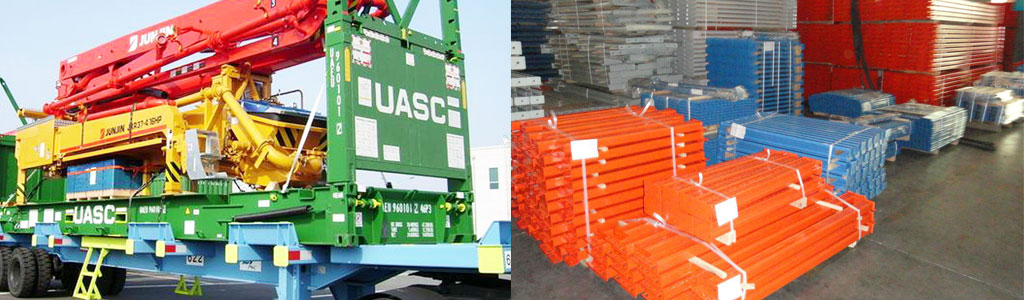
Each corded strap has a specific weight capacity, which indicates the maximum weight it can safely support. It's crucial to choose a strap with a weight capacity that exceeds the weight of the items you'll be securing. This will ensure the strap remains secure and doesn't break under pressure.
5. Inspect the Quality
The quality of the corded strap is essential for its performance and durability. Here are some factors to consider when inspecting the quality of a corded strap:
-Stitching: Look for even, strong stitching that is securely attached to the strap.
-Buckles and fasteners: Ensure the buckles and fasteners are sturdy and easy to use.
-Material thickness: Thicker materials are generally more durable and can withstand heavier loads.
6. Consider Additional Features
Corded straps may come with additional features that can enhance their functionality and convenience. Here are some features you may want to consider:
-Quick-release buckles: Allow for easy adjustment and removal of the strap.
-Reflective surfaces: Increase visibility and safety in low-light conditions.
-Padding: Provides additional comfort and protection for delicate items.
7. Read Reviews and Compare Prices
Before making a final decision, read reviews from other customers who have used the corded straps you're considering. This will give you an idea of their performance, durability, and overall satisfaction. Additionally, compare prices from different suppliers to ensure you're getting the best value for your money.
In conclusion, choosing the right corded strap for your needs requires careful consideration of your specific requirements, the type of strap, the material, weight capacity, quality, additional features, and customer reviews. By following these tips and tricks, you'll be able to select the perfect corded strap for your application, ensuring durability, safety, and convenience.