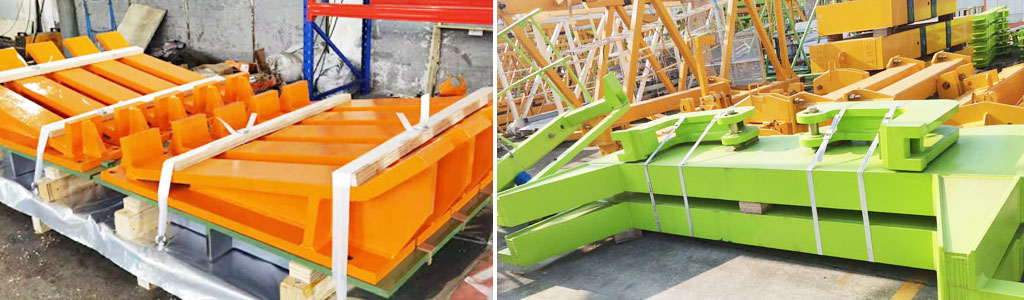
In the vast landscape of packaging materials, traditional polypropylene (PP) and polyethylene terephthalate (PET) strapping have reigned supreme for decades due to their durability, cost-effectiveness, and widespread availability. However, as environmental concerns escalate and sustainable practices become paramount, businesses and consumers alike are seeking alternatives that balance performance with ecological responsibility. Enter the plant fiber packing belt—a robust, flexible, and eco-friendly solution poised to revolutionize the strapping industry. This article explores the myriad advantages of plant fiber belts over PP and PET strapping, focusing on their endurance, flexibility, and broader sustainability benefits.
The Rise of Environmental Awareness
The global shift towards sustainability is driven by a multitude of factors, including climate change, resource depletion, and the increasing awareness of plastic pollution's detrimental effects on marine life and ecosystems. Traditional PP and PET strapping, while effective in securing loads, contribute significantly to plastic waste. Their disposal often leads to landfill accumulation or, worse, littering that finds its way into oceans and waterways. In contrast, plant fiber packing belts offer a sustainable alternative, harnessing renewable resources to mitigate environmental harm.
The Endurance of Plant Fiber Belts
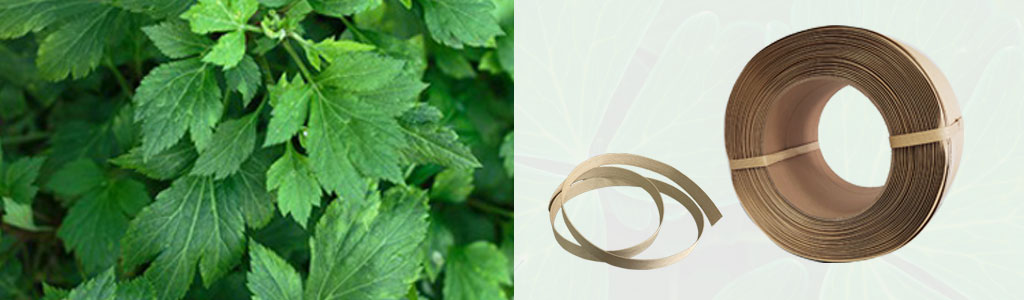
One of the primary advantages of plant fiber belts lies in their remarkable endurance. Derived from natural sources such as jute, hemp, sisal, or bamboo, these fibers possess inherent strength properties that rival synthetic materials. For instance, jute fiber, known as the "golden fiber," exhibits high tensile strength and resistance to abrasion, making it an excellent candidate for heavy-duty packaging applications.
Manufacturers have leveraged advanced processing techniques to enhance the durability of plant fiber belts. Through treatments like impregnation with natural resins or biopolymers, these belts can achieve superior load-bearing capacities while maintaining their eco-friendly credentials. Testing has shown that plant fiber belts can withstand significant tensile forces without breaking, ensuring secure packaging for a wide range of products from pallets of goods to agricultural produce.
Moreover, plant fibers' natural resilience to environmental factors like moisture and temperature fluctuations further underscores their durability. Unlike PP and PET, which can brittle in extreme cold or degrade under UV exposure, plant fiber belts maintain their integrity across a broader spectrum of conditions, ensuring consistent performance in diverse environments.
Flexibility in Application and Design
Flexibility is another defining characteristic of plant fiber packing belts. Their natural origin allows for greater versatility in terms of size, shape, and customization. Manufacturers can tailor the belts to meet specific customer requirements, whether it's adjusting the width, thickness, or length to fit unique packaging needs. This level of customization is more challenging to achieve with traditional PP and PET strapping, which often come in standardized sizes.
The biodegradable nature of plant fibers also opens up new possibilities for end-of-life scenarios. Unlike PP and PET, which require specialized recycling processes, plant fiber belts can be composted or returned to the soil, enriching it with nutrients. This circular approach aligns with the principles of a circular economy, where waste is minimized, and resources are continuously reused or recycled.
In addition to environmental benefits, the flexibility of plant fiber belts extends to their aesthetic appeal. They can be dyed or textured to enhance product presentation, offering a more natural and visually pleasing alternative to synthetic strapping. This aesthetic flexibility is particularly valuable in sectors like retail and food packaging, where visual appeal is a crucial factor in consumer choice.

Sustainability: The Overarching Advantage
The most compelling argument for plant fiber packing belts lies in their overarching sustainability benefits. By utilizing renewable plant resources, these belts significantly reduce the carbon footprint associated with packaging production. The cultivation of plant fibers often requires less energy, water, and pesticides compared to the petrochemical-intensive processes used to make PP and PET.
Furthermore, the adoption of plant fiber belts supports agricultural communities and promotes biodiversity. Crops like jute and hemp can be grown in various climates, providing economic opportunities and encouraging sustainable land use practices. As these crops are typically non-food crops, they do not compete with food production for land and resources, further enhancing their appeal from a sustainability standpoint.
Conclusion
In conclusion, plant fiber packing belts emerge as a superior alternative to PP and PET strapping, offering a combination of endurance, flexibility, and unparalleled sustainability. Their ability to meet the rigorous demands of packaging while minimizing environmental impact makes them an ideal choice for businesses seeking to align their operations with the growing trend of sustainability. As consumer preferences continue to evolve, and regulatory pressures mount for reduced plastic use, the adoption of plant fiber belts is not just a responsible decision but a strategic one, positioning companies at the forefront of innovation and environmental stewardship. The future of packaging is green, and plant fiber belts are leading the charge.